Vermiculite Remediation in Freehold, NJ
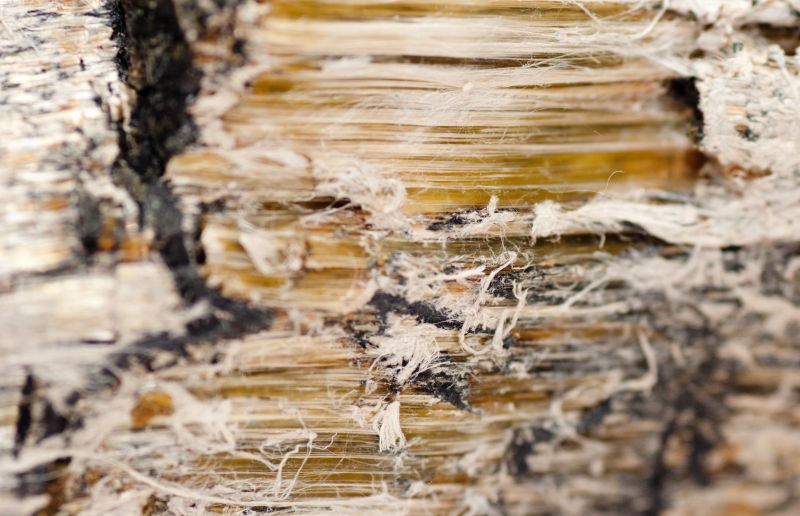
Vermiculite remediation services focus on safely removing or managing vermiculite insulation found in homes, particularly in attics or wall cavities. This service is commonly requested during renovation or remodeling projects, especially when homeowners discover vermiculite insulation that may contain asbestos fibers. Property owners typically want to understand whether the material poses health risks, the safest removal methods, and how the process will impact their home’s safety and value.
Before requesting vermiculite remediation, property owners should gather information about the location and condition of the insulation, as well as any known asbestos concerns. It’s important to understand the scope of work involved, including containment measures, removal procedures, and proper disposal practices. Clarifying these details helps ensure the remediation process is conducted safely, efficiently, and in compliance with relevant guidelines.
Many property owners in Freehold, NJ look into Vermiculite Remediation for repairs, replacements, upgrades, and appearance-related improvements.
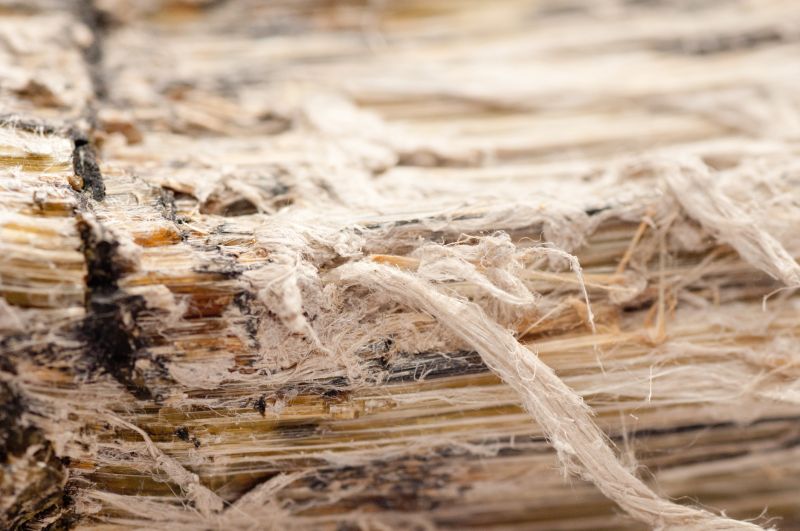
Understanding Vermiculite Risks
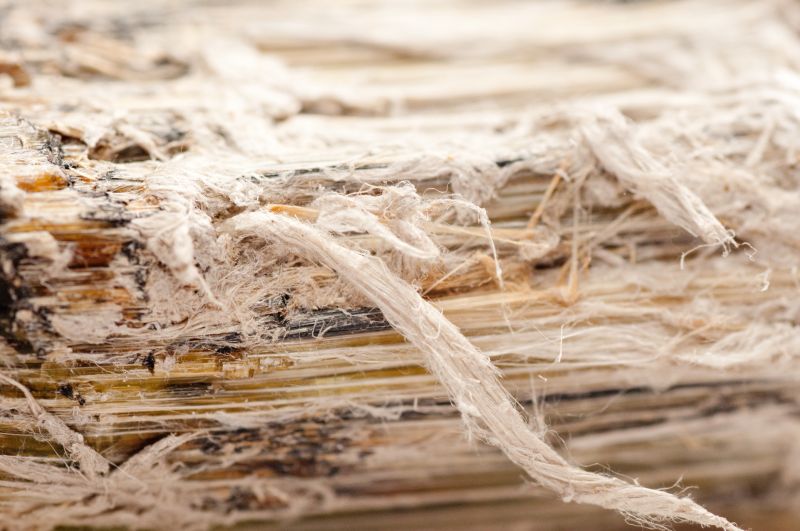
Vermiculite insulation may contain asbestos, requiring careful assessment before removal.
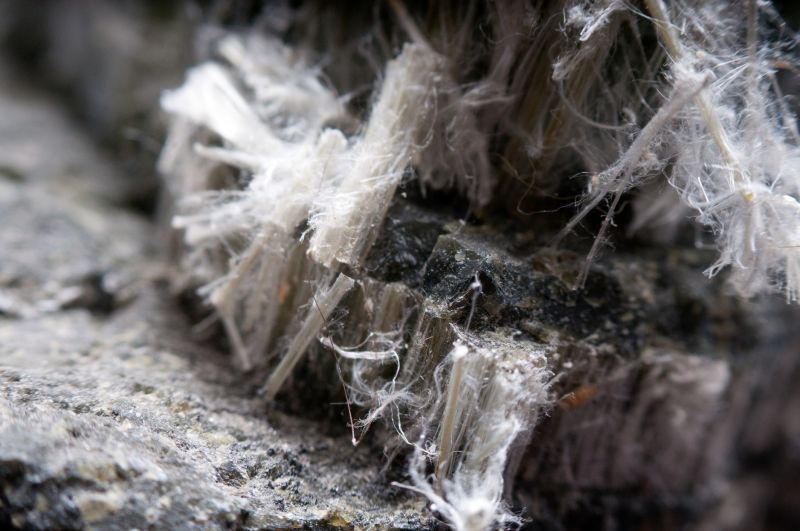
Remediation Process Overview
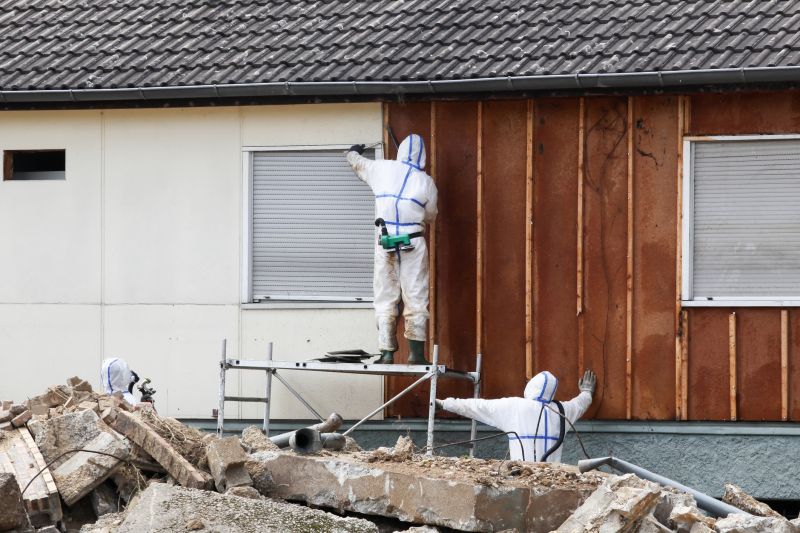
Proper removal and containment are essential to ensure safety during vermiculite remediation projects.
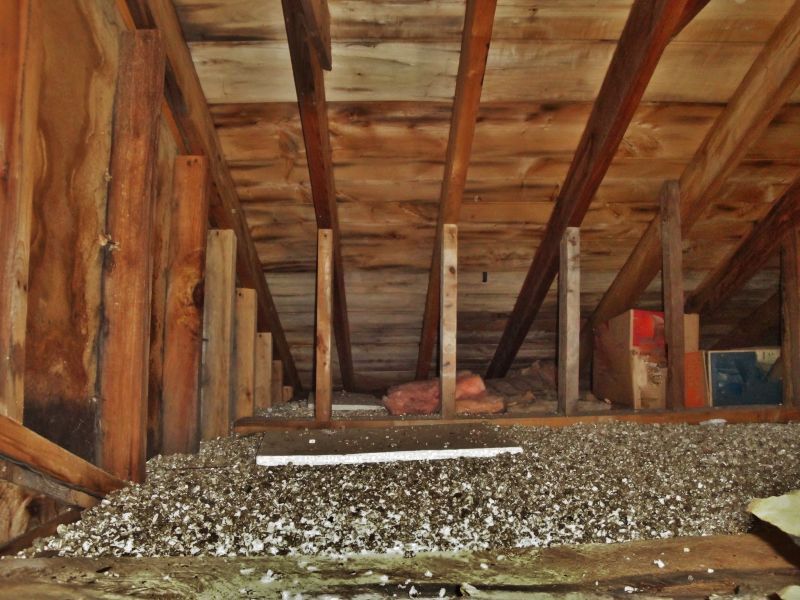
Property Safety And Compliance
Professional remediation helps protect property value and ensures adherence to safety regulations in freehold, nj.
Vermiculite Remediation in Freehold, NJ
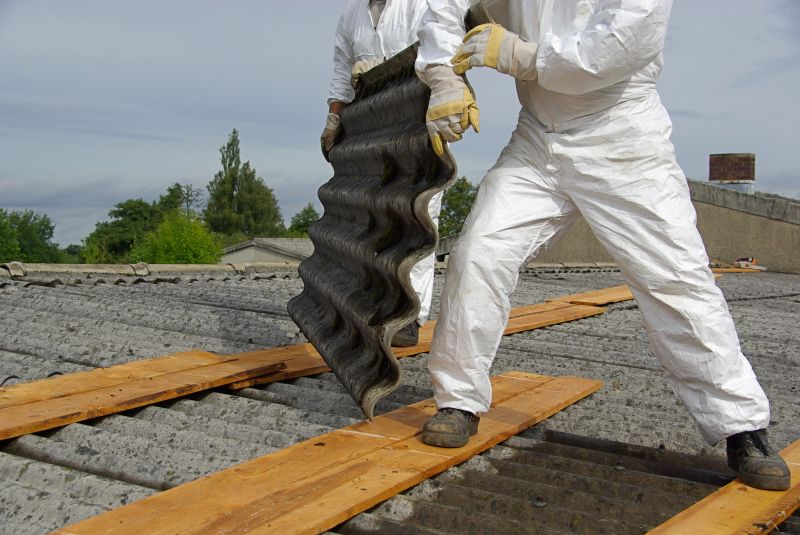
Vermiculite remediation services focus on safely removing or managing vermiculite insulation found in homes, particularly in attics or wall cavities. This service is commonly requested during renovation or remodeling projects, especially when homeowners discover vermiculite insulation that may contain asbestos fibers. Property owners typically want to understand whether the material poses health risks, the safest removal methods, and how the process will impact their home’s safety and value.
Before requesting vermiculite remediation, property owners should gather information about the location and condition of the insulation, as well as any known asbestos concerns. It’s important to understand the scope of work involved, including containment measures, removal procedures, and proper disposal practices. Clarifying these details helps ensure the remediation process is conducted safely, efficiently, and in compliance with relevant guidelines.
Many property owners in Freehold, NJ look into Vermiculite Remediation for repairs, replacements, upgrades, and appearance-related improvements.
Common Vermiculite Remediation Jobs
Vermiculite Removal - safely eliminates vermiculite insulation from attics and walls.
Asbestos Testing - identifies the presence of asbestos in vermiculite insulation materials.
Containment Services - isolates contaminated areas to prevent the spread of asbestos fibers.
Hazardous Material Cleanup - removes and disposes of vermiculite and asbestos waste properly.
Remediation Planning - develops tailored strategies to address vermiculite contamination risks.
Property Inspection - assesses insulation materials to determine if remediation is needed.
Vermiculite Remediation Questions
What is vermiculite remediation? Vermiculite remediation involves removing or treating contaminated vermiculite insulation to reduce health risks in buildings.
When is vermiculite remediation necessary? Remediation is recommended when vermiculite insulation contains asbestos or poses a disturbance risk during renovation or demolition projects.
How does the removal process work? The process typically includes careful containment, removal of the vermiculite, and proper disposal according to safety guidelines.
What types of projects often require vermiculite remediation? Common projects include attic insulation upgrades, basement renovations, or any work involving disturbance of existing insulation materials.
Request Vermiculite Remediation in Freehold, NJ
Use the quote form on this page to share the basics of your project and request more information for the type of work you need.